Columbus Personal Injury Lawyer —
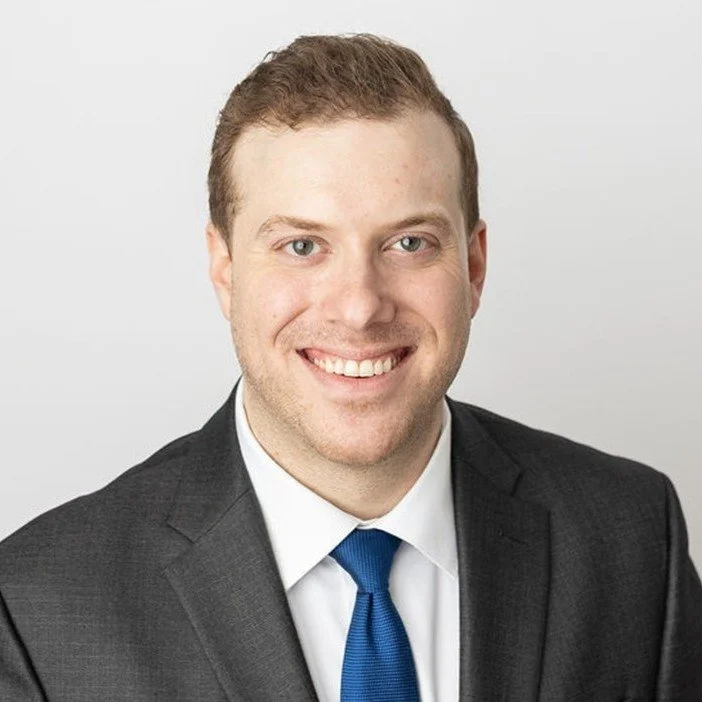
Meet Sean Dixon.
Former insurance claims adjuster. Now a personal injury attorney in Columbus, Ohio. I know how insurance companies evaluate, undervalue, and deny claims — because I used to do it for them.
I Know the Playbook Because I Helped Write It.
Before I became a personal injury attorney, I worked as a claims adjuster at a major national carrier. I evaluated injury claims, set reserves, took recorded statements, and negotiated settlements. I learned every tactic insurers use to pay less than a claim is worth.
Then I switched sides.
I went to law school, practiced at personal injury firms, and opened my own practice in Columbus. Now I use that inside knowledge to build stronger cases for people who've been hurt by someone else's negligence.
Why I Left the Insurance Industry.
Working as an adjuster gives you a clear picture of how the system works. Injured people file claims expecting fair treatment. What they get instead is a process designed to minimize what the carrier pays out.
I saw it from the inside: legitimate claims getting undervalued, injured people accepting lowball offers because they didn't know any better, recorded statements being used against claimants. The playbook is consistent, and it works — unless someone on the other side knows how to counter it.
That's why I became an attorney. Not because I wanted to sue insurance companies for sport. Because I knew injured people needed someone in their corner who understood exactly what they were up against.
My Approach to Personal Injury Cases.
My approach comes down to two things: preparation and direct communication.
On the preparation side, I build cases the way an adjuster would evaluate them — except I build them to withstand that evaluation. I know what documentation adjusters look for, how reserves get set, and what makes a file difficult to lowball. So I assemble the evidence, the medical records, and the narrative in a way that makes the case harder to undervalue.
On the communication side, I handle your case personally. No hand-offs to a paralegal. No call center. When you have a question about your case, you talk to the attorney who's working on it. That's how a solo practice runs, and I think that's how it should be.
What You Can Expect
- Direct attorney attention. I work on your case personally — from initial consultation through resolution.
- Honest case evaluation. You'll get a straightforward assessment of your case, not inflated promises designed to get you to sign a retainer.
- No fee unless you win. Contingency fee — you pay nothing upfront, and only if I recover money for you.
- Bilingual service. I speak English and Spanish. Hablamos Español.
How Does Insurance Experience Help Your Case?
Most personal injury attorneys learn insurance tactics through trial and error. I learned them by doing the job. That difference matters at every stage of a claim.
Recorded Statements
Insurance adjusters ask specific questions during recorded statements — not because they're curious, but because your answers become ammunition for reducing or denying your claim. I know which questions are traps because I used to ask them. I prepare my clients accordingly.
Reserves and Settlement Authority
Every insurance claim has a reserve — the amount the carrier sets aside to resolve it. I know how reserves get calculated, what factors drive them up or down, and how to present a claim so the adjuster's own internal evaluation supports a higher number.
Documentation That Moves the Needle
Adjusters review hundreds of claims. I know what makes a file stand out, what documentation gets taken seriously, and what gets ignored. I build your case file to hold up under the same scrutiny I used to apply.
Ohio uses modified comparative negligence under ORC § 2315.33. If you are 51% or more at fault, you recover nothing. If you are 50% or less at fault, your compensation is reduced by your percentage of fault. Insurance companies routinely try to shift blame to the injured person to reduce payouts.
Cases I Handle in Columbus, Ohio.
Every case gets direct attorney attention. No hand-offs. No call centers.